
Limit System
Tubular Motor Limit Switch
How upper and lower stop positions are controlled in blinds, shutters and awnings
A tubular motor limit switch controls where the motor stops at the upper and lower positions. Correct limit design and setting protect the curtain, shutter, awning and motor.
Quick Answer Box
A limit switch defines upper and lower stop positions. Mechanical limits use physical adjustment, while electronic limits store positions through control logic. The right choice depends on cost, installation method, control need and reliability target.
What Is a Tubular Motor Limit Switch?
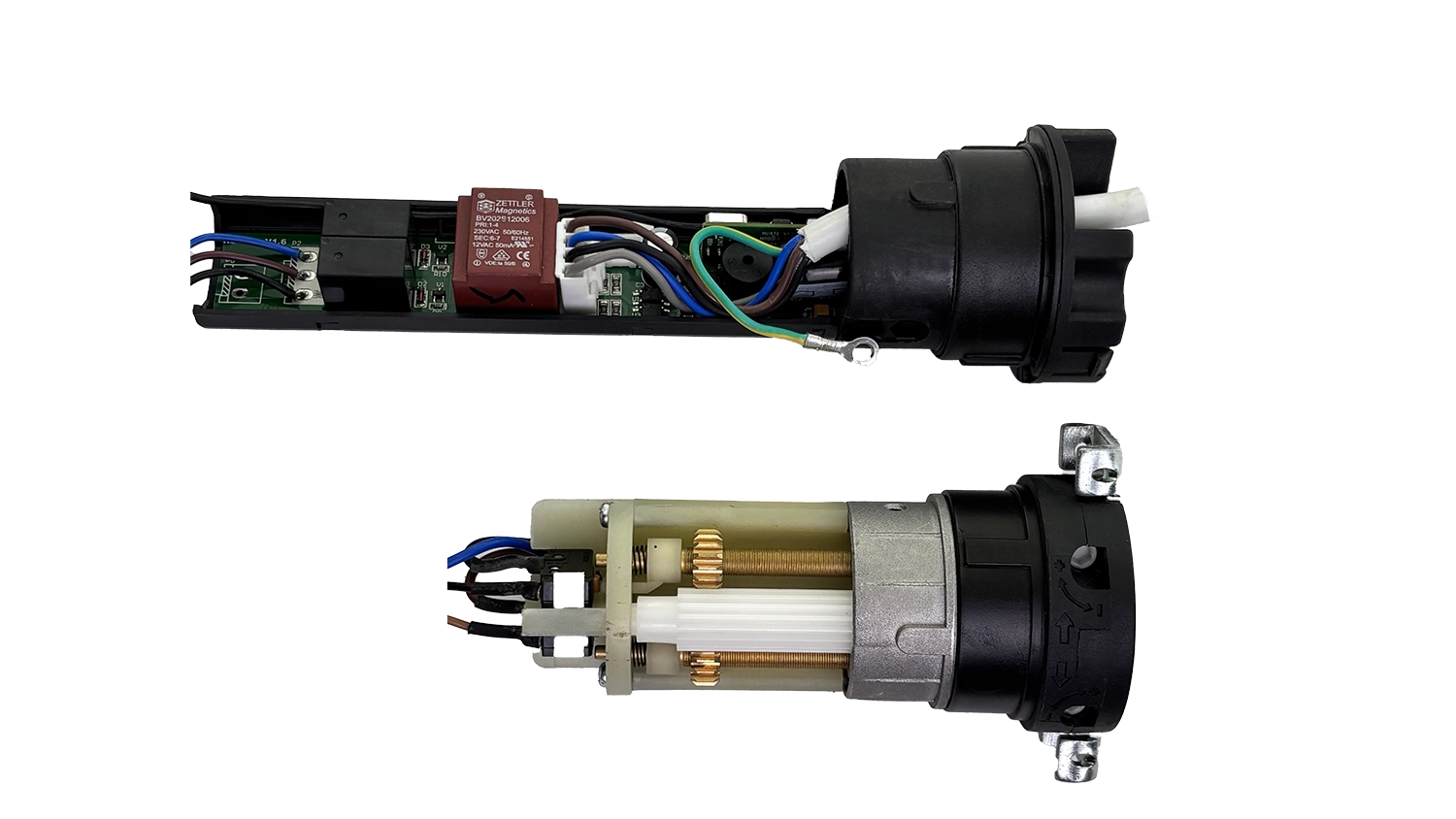
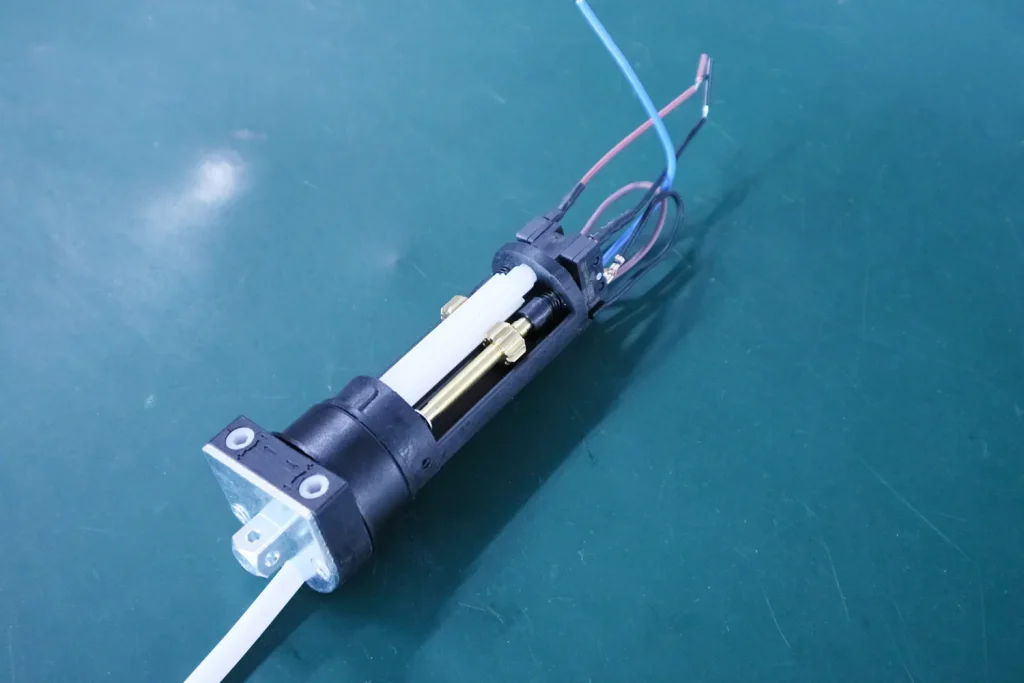
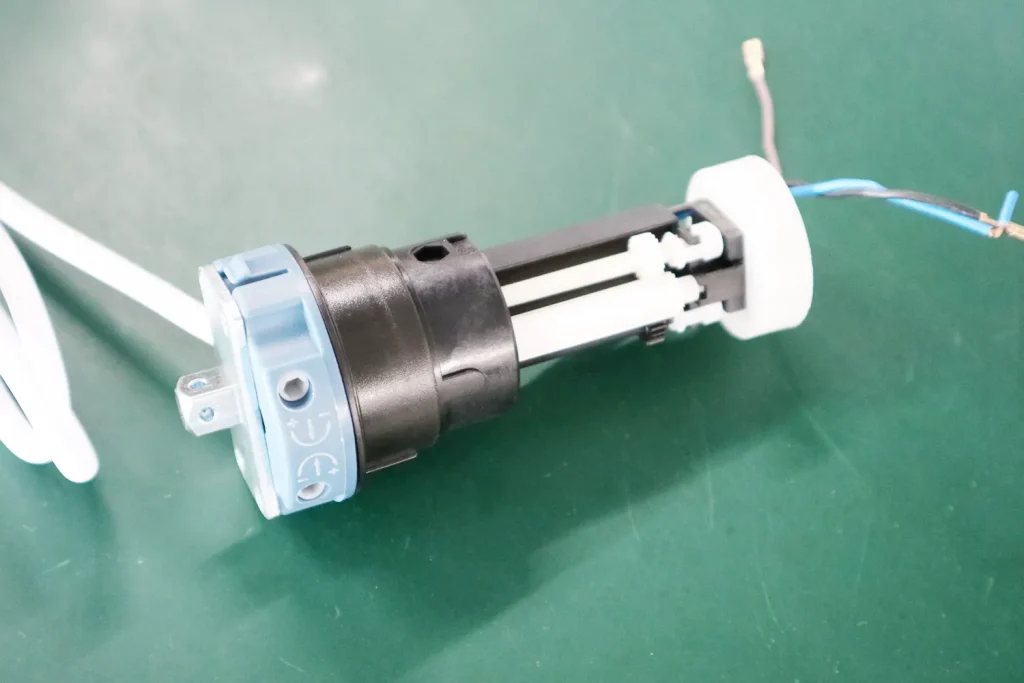
It is the stop-position system inside or connected to the motor. It prevents over-travel and helps the system stop consistently at the required position.
How a Limit Switch Works Step by Step
Power and direction command
The motor receives up or down command from switch, receiver or controller.
Motor rotates
The tube turns and moves the blind, shutter or awning.
Position system tracks travel
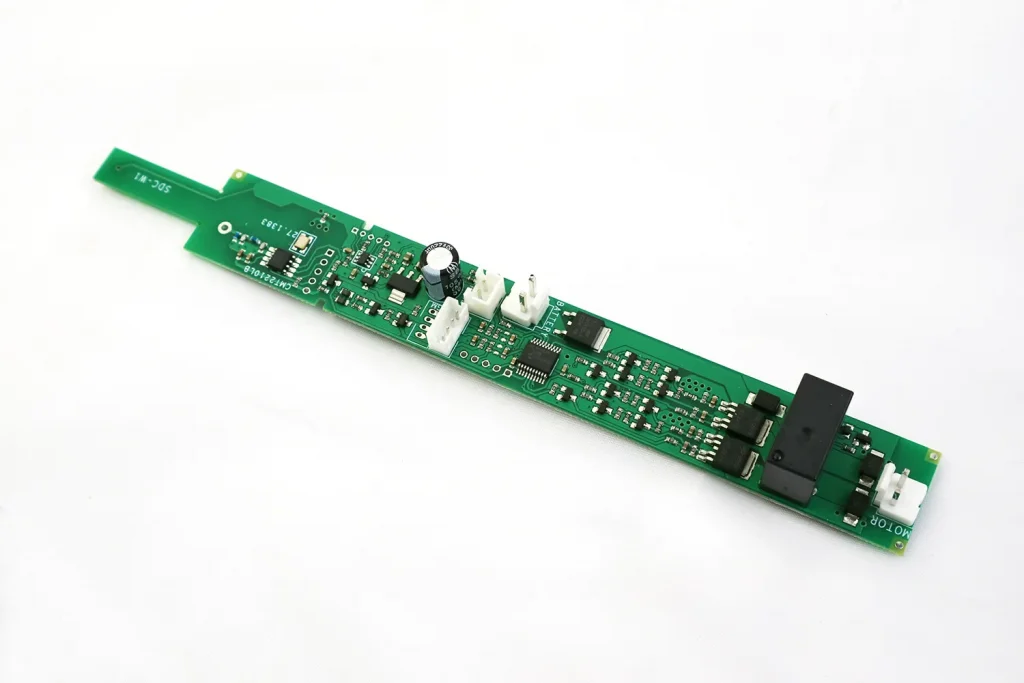
Mechanical or electronic limit logic monitors the travel range.
Preset stop is reached
The upper or lower limit position is reached.
Motor stops
The motor stops to prevent over-travel and protect the application.
Mechanical Limit vs Electronic Limit
| Limit Type | How It Is Set | Best Use | Buyer Note |
|---|---|---|---|
| Mechanical limit | Adjusted by screws or tool | Simple wired systems | Cost-effective and familiar to many installers. |
| Electronic limit | Stored by control procedure | Receiver or advanced control systems | Supports more flexible setup but needs correct operation. |
| Receiver-based setting | Set through paired transmitter | Remote controlled projects | Confirm pairing sequence and remote compatibility. |
Upper Limit and Lower Limit Explained
The upper limit stops travel at the top position. The lower limit stops travel at the bottom position. Incorrect limits can cause early stopping, over-travel, fabric damage or repeated overload.
Limit Setting Problems and Causes
| Problem | Likely Cause | Installer Check |
|---|---|---|
| Stops too early | Limit set too short or overload | Reset limit and check load. |
| Does not stop | Limit not set or damaged | Stop testing and inspect limit system. |
| Wrong direction | Direction not corrected before setting | Correct direction first. |
| Loses position | Electronic memory or control issue | Reset and verify controller. |
| Cannot adjust | Wrong tool, wrong screw or mechanism fault | Check model instructions. |
Application Notes and Quality Perspective
Roller blinds need quiet and accurate stopping. Shutters need reliable protection under load. Awnings and zip screens need careful limit setup because outdoor friction and fabric tension can vary. Limit system quality affects motor life by reducing over-travel, overload and repeated forced stopping.
FAQ
What is a tubular motor limit switch?
It is the system that controls where the motor stops at upper and lower positions.
How does a limit switch work?
It stops motor travel when the preset position is reached through mechanical or electronic control.
What is mechanical limit setting?
Mechanical limits are usually adjusted by screws or a setting tool.
What is electronic limit setting?
Electronic limits store stop positions through the controller or receiver logic.
What is the upper limit?
The upper limit is the top stop position of the blind, shutter or awning.
What is the lower limit?
The lower limit is the bottom stop position.
Why does the motor stop too early?
The limit may be set too short, or the system may be overloaded.
Why does the motor not stop?
The limit may be unset, damaged or adjusted in the wrong direction.
Which is better, mechanical or electronic limit?
It depends on cost, control needs, installation skill and application requirements.
Can Walter help choose limit systems?
Walter can recommend mechanical, electronic or receiver-based limit options for B2B projects.

